






When SaaS companies struggle with pricing, the first instinct is usually to look at the pricing itself.
Should we move to usage-based pricing?
Do we have too many plans?
Should we raise prices?
Should we bundle AI differently?
Those are all reasonable questions.
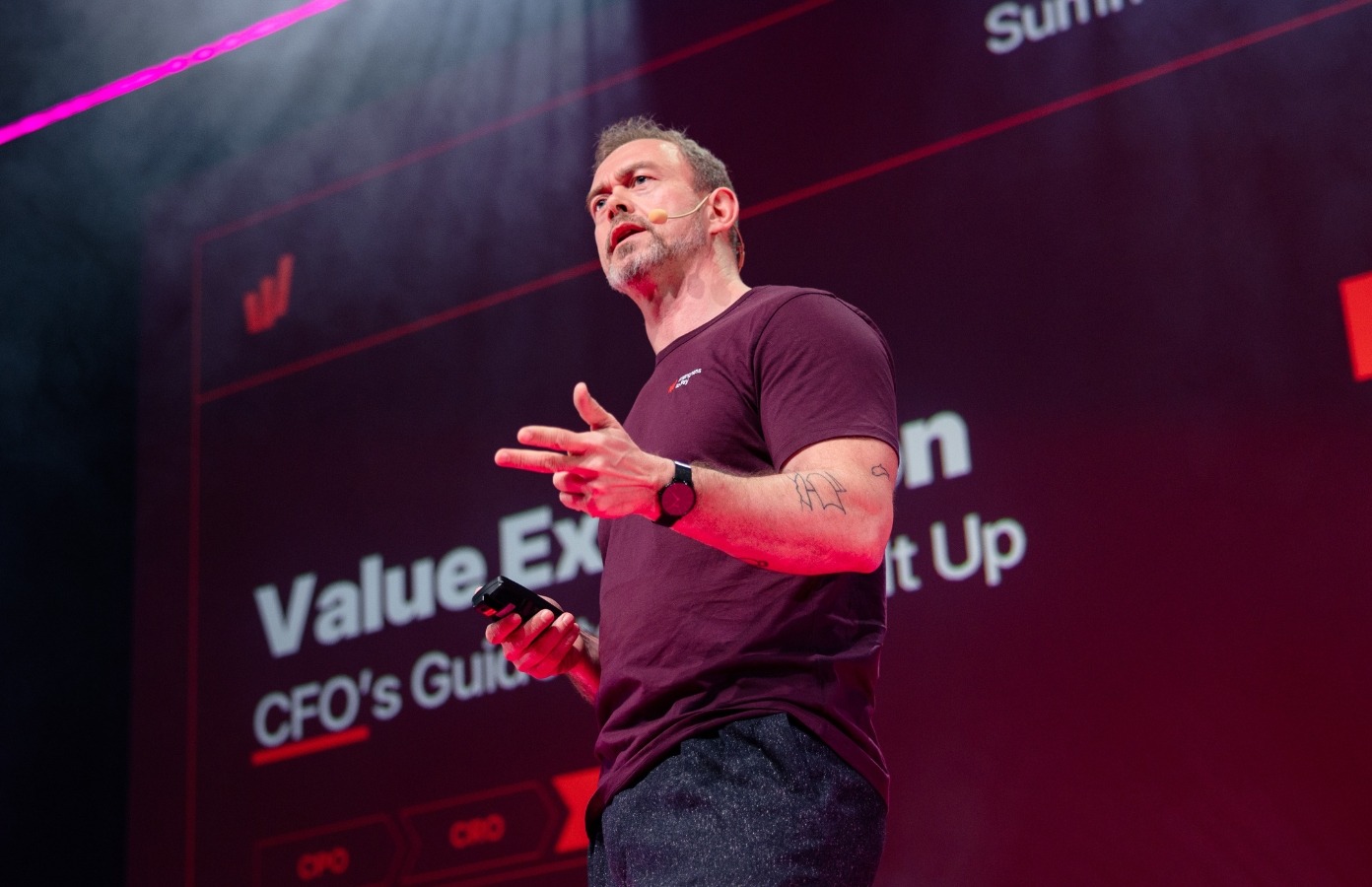
But at SaaSiest 2026, Ulrik Lehrskov-Schmidt, Senior Pricing Advisor and CEO of WillingnessToPay, argued that many pricing problems have very little to do with pricing. Instead, they’re symptoms of something much bigger.
Pricing breaks when every department optimises for its own success instead of the company’s.
In other words, pricing isn’t a product problem, a sales problem or a finance problem.
It’s an alignment problem.
Every Team Has a Different Definition of Success
One of the reasons pricing becomes so difficult is that every leadership function naturally approaches it from a different perspective.
Product teams want to build more features because more functionality feels like more customer value. Sales teams want flexibility to close deals. Finance wants predictability and profitability. CEOs want growth while keeping everyone moving in the same direction.
None of those objectives are wrong.
The problem is that they’re often pursued independently.
Ulrik illustrated this throughout his session by jokingly explaining how each executive could single-handedly ruin a company’s pricing strategy. The humour landed because every example felt familiar. Product teams add complexity. Sales creates exceptions. Finance optimises for individual costs instead of overall value. Leadership delays difficult decisions until nobody owns them anymore.
Individually, every decision seems reasonable.
Collectively, they create pricing that becomes almost impossible to manage.
Complexity Feels Like Progress
One of the clearest patterns Ulrik highlighted was how complexity quietly accumulates over time.
A new pricing tier here.
An enterprise exception there.
Another add-on.
A special discount for one strategic customer.
An additional product module.
Very few companies decide to create complicated pricing.
They simply keep adding small exceptions until complexity becomes the default.
Ironically, most of these decisions are made with good intentions. Teams don’t want to leave money on the table. They want to accommodate important customers. They want to capture every possible use case.
The result is often the opposite.
Instead of making pricing more effective, companies make it harder for customers to buy and harder for their own teams to sell.
The Biggest Pricing Mistakes Don’t Happen in Pricing Meetings
Perhaps the most interesting idea from the session was that pricing decisions happen long before anyone discusses numbers.
Every product decision affects pricing.
Every commercial policy affects pricing.
Every discount approval affects pricing.
Even the way customer data is collected influences future pricing decisions.
Ulrik described pricing as a chain where every department represents one link. Product creates value. Sales captures it. Finance measures it. Leadership ensures everyone works toward the same outcome.
The chain doesn’t fail because one function performs badly.
It fails because each function optimises for different objectives.
That distinction matters.
Many companies launch pricing projects believing they need a better pricing model.
In reality, they often need better organisational alignment.
AI Is Making Pricing Even Harder
The timing of this conversation feels particularly relevant.
As AI changes software economics, more SaaS companies are revisiting pricing than ever before. Usage-based models are becoming more common. Variable infrastructure costs are forcing companies to rethink flat subscriptions. AI capabilities don’t always fit neatly into existing packaging.
That creates pressure to move quickly.
According to Ulrik, that’s exactly when organisations become most vulnerable to making bad pricing decisions.
Not because they lack expertise.
Because every department responds differently.
Product wants new packages.
Sales wants commercial flexibility.
Finance wants predictable margins.
Leadership wants immediate results.
Without alignment, pricing quickly becomes a collection of compromises rather than a coherent strategy.
Good Pricing Is a Team Sport
One of the reasons pricing remains one of the most misunderstood disciplines in SaaS is that no single executive truly owns it.
Product owns packaging.
Sales owns execution.
Finance owns commercial controls.
Leadership owns direction.
Each function influences the outcome, but none can succeed alone.
That also explains why pricing transformations often feel surprisingly difficult.
Changing a pricing page is easy.
Changing how an organisation thinks about value is much harder.
The Best Pricing Strategy Starts Somewhere Else
Ulrik ended the session by making an observation that extended well beyond pricing itself.
Every company makes mistakes.
Especially when markets change as quickly as they are today.
The goal isn’t avoiding every pricing mistake.
It’s learning from them before they become embedded in the way the organisation operates.
Because pricing isn’t simply a number customers see on a website.
It’s the commercial expression of how an entire company thinks about value.
And if every department defines value differently, no pricing model will ever fix the problem.